Lisy Star Anise 5oz 142g
Price: $17.48USD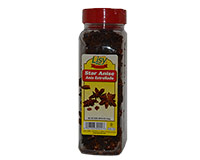
Lisy Star Anise 5oz 142g
Elevate Your Culinary Artistry with Captivating Star Anise
Originating from the lush expanses of northeast Vietnam and southwest China, the Illicium verum tree, a mesmerizing medium-sized evergreen, bestows upon us the enchanting gift of star anise. Delve into the world of this spice, extracted from the delicate star-shaped seed pods of the tree's fruit. Its allure lies in its uncanny resemblance to anise flavor, a resemblance attributed to the presence of anethole – the very essence that defines anise's remarkable taste.
A Symphony of Culinary Excellence Awaits:
Discover the myriad ways in which star anise can gracefully elevate your culinary creations. In the realm of baking, it emerges as a splendid and cost-effective substitute for anise, infusing every bite with delightful flavors. Furthermore, star anise becomes an indispensable ally in the realm of meat preparation, enriching each dish with its signature touch.
Ingredients: Star Anise Seed.
| Tiered Product Pricing | ||
|---|---|---|
| Qty: | Description | Price |
| Each | Unit Price | $17.48USD |
| 6 | 6 or More | $16.98USD |
| 24 | 24 or More | $16.48USD |
Product Ingredient Lists and Nutrition Facts, when provided, are for your convenience. We at Spice Place make every effort to insure accuracy of the ingredients listed. However, because manufacturers may change formulations, persons with food allergies should always check actual package label.
Lisy Star Anise 5oz 142g - FAQ
- Q: What is Star Anise?
- A: Star anise is the dried, star-shaped fruit of Illicium verum, a small evergreen tree native to northeast Vietnam and southwest China. Despite its similar flavor, it is not related to anise (Pimpinella anisum). Its distinctive licorice-like taste comes from the compound anethole.
- Q: How is Star Anise different from Anise Seed?
- A: Although both taste of licorice, they come from entirely different plants. Anise seed is in the carrot family, while star anise belongs to the magnolia family. Their flavors overlap, but star anise is often stronger, more pungent, and more resinous.
- Q: Where does Star Anise come from today?
- A: Nearly all commercial star anise comes from southern China, Vietnam, and Indo-China. It was first brought to Europe in the 1600s and quickly found its way into liqueurs, confections, and savory dishes.
- Q: How should I store Star Anise?
- A: Keep whole pods in an airtight container away from light and heat. Stored properly, they retain their flavor for over a year. Ground star anise should be used quickly, as it loses potency faster.
- Q: What does Star Anise taste like?
- A: The bouquet is powerful and licorice-like, more pungent than anise seed. The flavor is sharp, warm, and slightly bitter — which is why it shines when simmered in long-cooking dishes rather than sprinkled raw.
- Q: How is Star Anise used in cooking?
- A: In Chinese cooking, it's a key flavor in red-braised meats, soups, and five-spice powder. It flavors pho in Vietnam, biryani and masala chai in India, mulled wine in France, and even coffee in parts of Europe. In Western kitchens, it pairs surprisingly well with tomato sauces and braised beef dishes.
- Q: Can I substitute something else for Star Anise?
- A: Fennel seed or anise seed can mimic some of the licorice flavor, though they're milder. Chinese five-spice powder, which includes star anise, can also be used as a shortcut in recipes.
- Q: Are there health benefits to Star Anise?
- A: Yes -- as long as you are using Chinese star anise (Illicium verum). Japanese star anise (Illicium anisatum) looks similar but is toxic. Commercial food-grade star anise is always the safe Chinese species.
- Q: What are some other names for Star Anise?
- A: In addition to "Chinese anise" or "badian," you may see it called anis étoilé (French), Sternanis (German), anice stellato (Italian), anis estrallado (Spanish), or ba chio (Chinese).