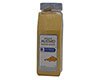
McCormick Whole Cumin Seed 16oz 453g
Price: $28.93USD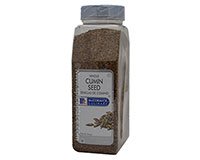
McCormick Cumin Seed, Whole 16oz 453g
McCormick Whole Cumin Seed has a flavor characterized by a strong, musty/earthy flavor that also contains some green/grassy notes. So cumins' flavor and aroma are strong and slightly bitter. Cumin is the dried seed of the herb Cuminum cyminum, a member of the parsley family. The yellowish-brown seeds of cumin resemble caraway yet the flavor will remind Americans of the flavors of the Southwestern US.
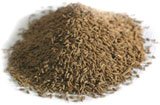
Cumin is an seasoning used in the Mexican, Spanish, Indian, North African, the Middle Eastern, Indonesian and Latin American cooking.
Ingredients: Whole Cumin Seed.
| Tiered Product Pricing | ||
|---|---|---|
| Qty: | Description | Price |
| Each | Unit Price | $28.93USD |
| 6 | 6 or More | $27.88USD |
| 24 | 24 or More | $27.25USD |
Product Ingredient Lists and Nutrition Facts, when provided, are for your convenience. We at Spice Place make every effort to insure accuracy of the ingredients listed. However, because manufacturers may change formulations, persons with food allergies should always check actual package label.
McCormick Cumin Seed, Whole 16oz 453g - FAQ
- Q: What is cumin?
- A: Cumin comes from the dried fruit of the Cuminum cyminum plant, a small annual herb in the parsley family. Though often called a seed, it is technically the plant's dried fruit. The flavor is earthy and bold, with a warm aroma that defines curries and chili.
- Q: Where does cumin come from?
- A: Cumin is native to the Mediterranean region and North Africa but is now widely cultivated in India, which supplies most of the cumin used in American kitchens. It also grows in the Middle East, Mexico, and parts of Southeast Asia.
- Q: Can cumin seeds be planted or sprout if composted?
- A: No. McCormick Cumin Seeds (as well as all McCormick products) are processed for food use and are infertile. They cannot sprout or reproduce if planted in soil, including in compost.
- Q: What does cumin taste like?
- A: Cumin has a deep, nutty, and slightly peppery flavor with an unmistakable earthiness. It adds warmth to foods without heat, making it essential in curry powders, chili powders, and many spice blends.
- Q: How is cumin used in cooking?
- A: Whole seeds are often toasted in a dry skillet to release their aroma, then added to stews, rice, beans, meats, and vegetable dishes. Ground cumin is used in curry powders, Mexican sauces, and chili. Either form can season soups, cheeses, breads, and pickled vegetables.
- Q: Can cumin replace caraway?
- A: Yes, cumin can substitute for caraway when a recipe needs a similar warm note, though cumin has a stronger, more assertive flavor. Start with half the amount called for and adjust to taste.
- Q: What cuisines use cumin most?
- A: Cumin is found across the globe-from Indian curries and Moroccan couscous to Mexican chili, Portuguese sausages, and Middle Eastern stews. It's also used to flavor Dutch Leyden cheese and the German liqueur K⁚mmel.
- Q: How should cumin seed be stored?
- A: Keep seeds of cumin in an airtight container away from heat and light. Toast or grind only what you need, since freshly roasted cumin gives the fullest aroma.
- Q: Why should cumin be used with restraint?
- A: Cumin's flavor is powerful and can dominate a dish. Less than a teaspoon will season a meal for four, so use sparingly to let other spices shine.
- Q: Are there any unique or traditional uses for cumin?
- A: In India, cumin seeds are fried in oil to flavor dals and vegetables. In North Africa, they appear in spice blends like ras el hanout. Europe uses cumin in smoked cheeses, pickling brines, and even as a flavoring in drinks such as zeera pani - a cumin-and-tamarind beverage enjoyed cold.