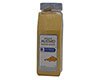
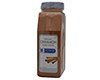
McCormick Whole Anise Seed 18oz 510g
Anise has a distinctive licorice-like flavor
Price: $37.27USD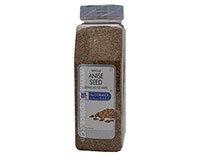
McCormick Anise Seed, Whole 18oz 510g
McCormick Whole Anise Seed, with its warm licorice and mildly fennel-like flavor, was once thought to be a charm against bad dreams and evil-eye. Anise is popular in liqueurs and candies, anise is also known as a digestive aid. French chefs use anise extract to flavor eclairs. Italian bakers know anise to be the secret ingredient in biscotti (using only the seeds or extract as ground anise quickly loses flavor).
The culinary description is that anise is distinguished by its strong licorice-like flavor and aroma. The flavor of the anise seeds is characterized as minty, piney, and fruity. Anise's flavor resembles fennel but is somewhat sweeter. Anise is the dried ripe fruit of the herb Pimpinella anisum. The tear-shaped seeds are unmistakably identified by their distinctive licorice-like flavor.
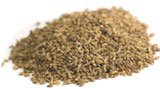
Anise Seed should be purchased only in the whole form because anise loses its flavor very quickly once it is ground. Use anise seed either whole or crushed, in cakes, breads, cookies, beverages, soups, stews, fruit salads, dressings, sauces, and with fish or shellfish. Anise is essential in Oysters Rockefeller and excellent when used in orange sauce for chicken or duck. Anise is widely used in Italian and Indian cooking.
Ingredients: Whole Anise Seed.
| Tiered Product Pricing | ||
|---|---|---|
| Qty: | Description | Price |
| Each | Unit Price | $37.27USD |
| 6 | 6 or More | $34.95USD |
| 24 | 24 or More | $33.81USD |
Product Ingredient Lists and Nutrition Facts, when provided, are for your convenience. We at Spice Place make every effort to insure accuracy of the ingredients listed. However, because manufacturers may change formulations, persons with food allergies should always check actual package label.
McCormick Anise Seed, Whole 18oz 510g - FAQ
- Q: What is anise seed?
- A: Anise seed is the dried fruit of the herb Pimpinella anisum, a member of the parsley family. The tiny crescent-shaped seeds have a sweet, licorice-like flavor that is distinct from fennel and star anise.
- Q: How is anise different from fennel or star anise?
- A: Fennel and anise both have licorice-like notes, but anise is sweeter and more aromatic. Star anise, despite the name, comes from a different plant family and is mainly used in Chinese cooking. The flavors can substitute in some dishes, but true anise has a more delicate sweetness.
- Q: Can McCormick Anise Seed be planted or sprout if composted?
- A: No. McCormick Anise Seeds are processed for food use and are infertile. They cannot sprout or reproduce if planted in soil, including in compost.
- Q: What does anise taste like?
- A: Anise has a warm, sweet licorice flavor with hints of mint and fruit. It's less sharp than fennel and more rounded than star anise.
- Q: What are the best culinary uses for anise seed?
- A: Whole or lightly crushed anise seeds add flavor to baked goods like biscotti, cookies, and breads. They are also used in soups, stews, sauces, seafood dishes, and even fruit salads. Anise is a key flavor in classic dishes like Oysters Rockefeller and orange sauce for poultry.
- Q: Why should I buy whole anise seed instead of ground?
- A: Anise loses flavor quickly once ground. Buying whole seeds ensures the best taste and aroma -- simply crush or grind them fresh as needed.
- Q: What drinks use anise?
- A: Anise is the signature flavor in Mediterranean and European liqueurs such as ouzo (Greece), raki (Turkey), pastis and Pernod (France), and anisette (Spain). Its oil is also used in some cough syrups, lozenges, and old-fashioned cordials.
- Q: Where does anise come from?
- A: Anise is native to the Mediterranean and Middle East. Today, it is grown in countries such as Spain, Turkey, Mexico, Germany, and Italy. It requires a long, warm growing season to produce good seed.
- Q: Has anise been used since ancient times?
- A: Yes. The Egyptians used it as early as 1500 B.C. The Romans baked anise cakes (mustaceum) after feasts to aid digestion, and the spice is even mentioned in the Bible. In medieval England, it was valuable enough to be taxed to help repair the London Bridge.
- Q: Does anise have health benefits?
- A: Traditionally, anise has been used as a digestive aid, breath sweetener, and cough soother. Its oil is mildly expectorant and often added to syrups, teas, and lozenges. In folk medicine it was also thought to ward off nightmares, the Evil Eye, and even "stir up bodily lust."
- Q: Is anise attractive to animals?
- A: Yes. Anise oil is famously appealing to dogs -- it's often used in dog treats and to lay scent trails for hounds. It is also said to attract fish when rubbed on a lure, and even horses and cattle enjoy feed mixed with anise.